
Buying your first home is a big milestone. However, many first-time buyers feel confused when banks ask for multiple documents during the home loan process. If you are applying for a home loan for the first time, understanding the paperwork in advance can save time and reduce stress.
The good news is that most banks and housing finance companies ask for a similar set of documents. Once you prepare them properly, your application process becomes much smoother.
In this guide, you will learn about the documents required for first time home loan applications, why banks ask for them, common mistakes to avoid, and helpful tips for faster processing.
Why Documents Are Important for Home Loans
Banks verify documents to check three important things:
- Your identity
- Your income stability
- The legal status of the property
These checks help lenders understand whether you can repay the loan responsibly. Proper documentation also protects both the borrower and the bank from fraud or legal problems.
If any document is missing or incorrect, your home loan approval may get delayed.
Documents Required for First Time Home Loan
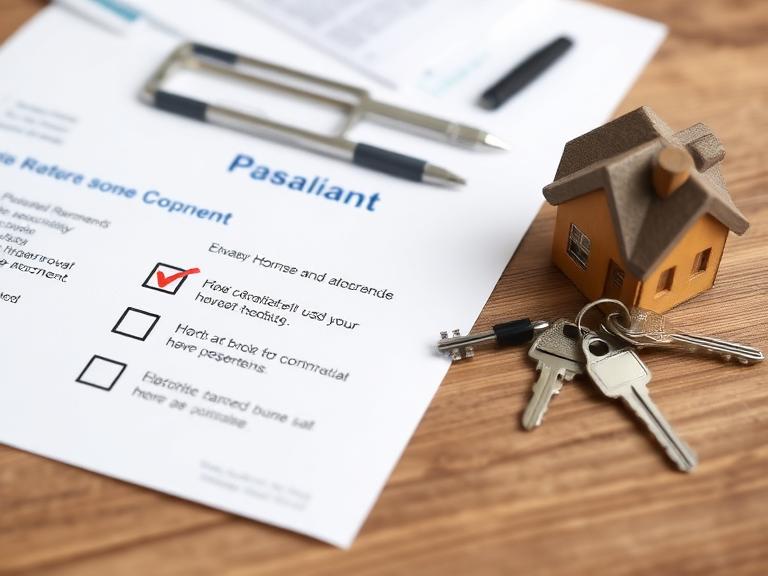
Below is a simple checklist of the most common documents required by banks and financial institutions.
| Document Type | Purpose |
|---|---|
| Identity Proof | To confirm your identity |
| Address Proof | To verify your residence |
| Income Proof | To check repayment ability |
| Bank Statements | To review financial history |
| Property Documents | To verify property legality |
| Passport Size Photos | For application records |
| Employment Details | To confirm job stability |
Different lenders may ask for additional documents depending on your profile.
Identity Proof Documents
Banks need valid identity proof to confirm who you are.
Commonly accepted documents include:
- Aadhaar Card
- PAN Card
- Passport
- Voter ID
- Driving License
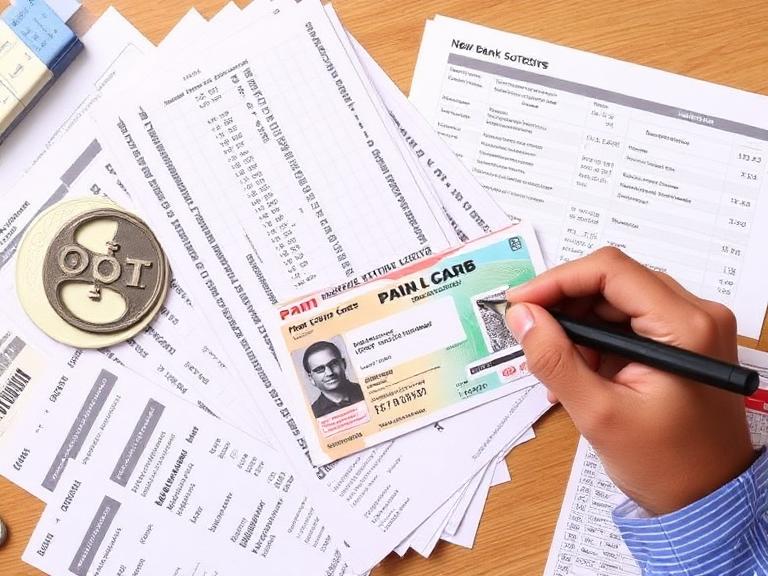
Among these, PAN Card is extremely important because it is linked to your financial records and tax details.
Important Tip
Make sure the name on all documents matches exactly. Even small spelling differences can create delays during verification.
Address Proof Documents
Lenders also verify your current residential address.
You can usually submit:
- Aadhaar Card
- Utility bills
- Passport
- Rental agreement
- Driving license
- Bank passbook with address
Most banks prefer recent documents issued within the last 2–3 months.
Income Proof Documents
Income proof is one of the most important parts of the application process.
Banks use these documents to decide how much loan amount you can safely repay.
For Salaried Employees
Usually required documents include:
- Salary slips of the last 3–6 months
- Form 16
- Employee ID card
- Bank statements showing salary credits
- Income Tax Returns (if applicable)
For Self-Employed Applicants
Self-employed individuals may need:
- Business registration proof
- GST returns
- Income Tax Returns for the last 2–3 years
- Profit and loss statements
- Balance sheet
- Business bank statements
If your income is stable and properly documented, your chances of smoother approval improve significantly.
You may also find it helpful to read related guides about improving your credit profile before applying for loans. Articles related to credit score improvement and banking & finance basics can help first-time borrowers understand lender requirements better.
Property Documents Required
The bank carefully checks property papers before approving the loan.
These documents confirm that the property is legal and free from disputes.
Common property documents include:
- Sale agreement
- Title deed
- Property tax receipts
- Approved building plan
- Occupancy certificate
- Encumbrance certificate
- Allotment letter from builder
Why Property Verification Matters
If there are legal issues with the property, the bank may reject the loan application even if your income is good.
Therefore, always verify the property documents carefully before paying any booking amount.
Bank Statements and Financial Records
Most lenders ask for bank statements from the last 6–12 months.
These statements help banks review:
- Salary credits
- Monthly expenses
- Existing loan repayments
- Savings habits
- EMI history
Frequent cheque bounces or irregular transactions may negatively affect the application.
If you already have personal loans or credit card dues, banks will consider those liabilities while calculating your eligibility.
You can also explore educational content related to personal loans and loan repayment planning to better understand how lenders evaluate debt obligations.
Documents for Self-Employed Applicants
Self-employed applicants usually go through slightly stricter verification because income may vary month to month.
Additional Documents Often Required
- Shop establishment certificate
- Partnership deed
- Trade license
- Business continuity proof
- Professional qualification certificate
Practical Example
Suppose you run a small business with seasonal income. The bank may ask for multiple years of tax returns to understand your average yearly earnings.
Keeping proper business records can make the approval process easier.
Documents for Salaried Applicants
Salaried individuals generally have a simpler documentation process.
Common Requirements
- Latest salary slips
- Joining letter or employment proof
- Bank account statement
- Form 16
- Employer details
Applicants working in well-known companies or government organizations may sometimes receive faster processing due to stable income history.
Common Mistakes Users Should Avoid
Many first-time applicants make small mistakes that delay the loan process.
1. Submitting Incomplete Documents
Missing pages or unsigned forms can slow down verification.
2. Providing Incorrect Information
Income, address, or employment details should match across all documents.
3. Ignoring Credit Score
A low credit score may reduce approval chances or increase interest rates.
If you are new to borrowing, reading beginner-friendly guides on home loans and credit management can be very useful.
4. Applying to Multiple Banks Together
Too many loan applications within a short period can affect your credit profile.
5. Not Checking Property Legality
Some buyers focus only on loan approval and ignore legal verification of the property.
Helpful Tips Before Applying for a Home Loan
Organize Documents in Advance
Keep both physical and digital copies ready.
Check Your Credit Score
A better score may help you get lower interest rates.
Maintain Stable Bank Transactions
Avoid unnecessary cheque bounces or irregular cash deposits.
Keep Emergency Savings
Apart from the down payment, you should have savings for registration charges, interiors, and moving expenses.
Compare Multiple Lenders
Interest rates and document requirements may differ slightly across banks.
If you are planning future financial goals, beginner guides related to education loans and long-term financial planning may also help you manage overall finances better.
Pros and Cons of Preparing Documents Early
| Pros | Cons |
|---|---|
| Faster application process | Requires time for organization |
| Lower chances of missing papers | Some documents may expire |
| Better confidence during verification | Multiple photocopies may be needed |
| Helps avoid last-minute stress | Updating old records can take effort |
Overall, preparing early is usually the smarter approach.
How Long Does Document Verification Take?
The verification timeline depends on:
- Bank policies
- Applicant profile
- Property type
- Accuracy of documents
In many cases, basic verification may take a few working days. However, property verification and legal checks can take longer.
Submitting complete and correct documents helps speed up the process.
Read Also: How to Check Personal Loan Eligibility Before Applying
Conclusion
Understanding the documents required for first time home loan applications can make your borrowing journey much easier. Proper paperwork helps banks verify your identity, income, and property details smoothly.
Before applying, make sure all documents are updated, accurate, and organized properly. This simple preparation can reduce delays and improve your overall loan experience.
A home loan is a long-term financial commitment, so take time to understand every requirement carefully before signing any agreement.
Frequently Asked Questions (FAQs)
1. Which document is most important for a home loan?
Income proof and property documents are among the most important because banks use them to assess repayment ability and property legality.
2. Can I get a home loan without salary slips?
Yes, self-employed applicants can provide business income documents, tax returns, and bank statements instead of salary slips.
3. Do banks check credit scores for first-time home loans?
Yes, most banks review your credit score before approving a home loan.
4. How many months of bank statements are usually required?
Most lenders ask for 6–12 months of bank statements.
5. What happens if a document is missing?
The bank may delay processing or ask for additional verification before continuing the application.