
A good CIBIL score plays a very important role when applying for a loan in India. Whether you want a personal loan, home loan, education loan, or credit card, lenders usually check your credit score before approving your application.
Many people face loan rejection because of a low credit score. However, the good news is that improving your score is possible with regular financial discipline and smart habits.
In this guide, you will learn how to improve CIBIL score for loan approval in simple language. Even if you are a beginner with little knowledge about credit scores, this article will help you understand the process clearly.
What Is a CIBIL Score?
A CIBIL score is a three-digit number that shows your creditworthiness. It is generated by TransUnion CIBIL based on your borrowing and repayment history.
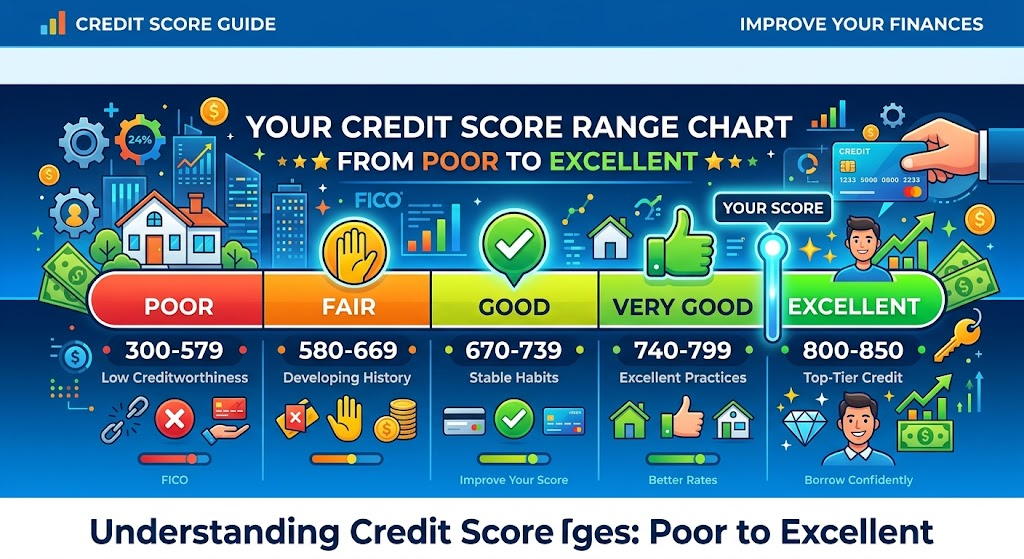
Your score usually ranges from 300 to 900.
- A higher score means better credit behavior.
- A lower score may indicate delayed payments or financial risk.
Banks and NBFCs use this score to decide whether they should approve your loan application.
Why Is CIBIL Score Important for Loan Approval?
Your CIBIL score helps lenders understand how responsibly you handle borrowed money.
A good score can help you:
- Get loans approved more easily
- Receive lower interest rates
- Get higher loan amounts
- Improve chances of credit card approval
- Build trust with financial institutions
On the other hand, a poor score can lead to:
- Loan rejection
- Higher interest rates
- Lower credit limits
- Difficulty getting future loans
If you are planning to apply for a personal loan soon, reading a detailed guide on personal loan eligibility can also help you understand lender requirements better.
What Is Considered a Good CIBIL Score?
Here is a simple table to understand score ranges:
| CIBIL Score Range | Meaning |
|---|---|
| 750 – 900 | Excellent |
| 700 – 749 | Good |
| 650 – 699 | Average |
| 550 – 649 | Poor |
| Below 550 | Very Poor |
Most banks prefer borrowers with a score of 750 or above.
How to Improve CIBIL Score for Loan Approval
1. Pay EMIs and Credit Card Bills on Time
Payment history is one of the biggest factors affecting your credit score.
Even one missed EMI or delayed credit card payment can lower your score.
Simple ways to avoid missing payments:
- Set automatic payment reminders
- Enable auto-debit from your bank account
- Pay at least the minimum amount before the due date
For example, if your credit card bill is due on the 10th of every month, make the payment a few days earlier to avoid delays.
Consistent on-time payments slowly improve your score over time.
2. Keep Credit Card Usage Low
Credit utilization means how much credit you use compared to your total limit.
Suppose:
- Your credit card limit is ₹1,00,000
- You spend ₹80,000 regularly
This means your utilization ratio is 80%, which is considered high.
Experts generally suggest keeping credit utilization below 30%.
Why this matters:
High credit usage may make lenders think you depend heavily on borrowed money.
Lower utilization shows better financial control.
3. Avoid Applying for Too Many Loans Together
Every time you apply for a loan or credit card, the lender checks your credit report. This is called a “hard inquiry.”
Too many inquiries within a short time may lower your score.
Avoid these mistakes:
- Applying for multiple credit cards together
- Applying to many lenders after one rejection
- Taking unnecessary loans
Instead, compare loan options carefully before applying.
If you are planning to buy a house in the future, understanding home loan eligibility and credit requirements can help you prepare early.
4. Check Your Credit Report Regularly
Sometimes credit reports may contain errors such as:
- Wrong loan information
- Incorrect overdue amounts
- Closed loans showing as active
- Duplicate accounts
These mistakes can affect your score unfairly.
You should check your report regularly and report errors immediately.
Benefits of checking your report:
- Helps detect fraud early
- Allows correction of mistakes
- Keeps you aware of your financial position
5. Maintain Old Credit Accounts
The age of your credit history also matters.
Older accounts show that you have managed credit responsibly for a long time.
For example:
- A 7-year-old credit card with good repayment history improves trust
- Closing old accounts may reduce your average credit age
So, avoid closing old credit cards unless absolutely necessary.
6. Use a Mix of Credit Types
Having different types of credit can help your score.
Common credit types:
- Secured loans (home loans, car loans)
- Unsecured loans (personal loans, credit cards)
A balanced credit profile shows lenders that you can manage different financial responsibilities properly.
However, do not take loans only to improve your score.
7. Clear Existing Debts Gradually
If you already have outstanding debts, focus on reducing them steadily.
Start with:
- High-interest loans
- Overdue credit card balances
- Pending EMIs
You can use methods like:
- Debt snowball method
- Debt avalanche method
Even small regular repayments improve your financial profile over time.
8. Avoid Settling Loans If Possible
Some people choose “loan settlement” when they cannot repay fully.
Although settlement may reduce immediate financial pressure, it can negatively affect your credit report.
Banks may view settled accounts as a sign of repayment risk.
Whenever possible:
- Try restructuring
- Request EMI reduction
- Negotiate repayment terms instead of settlement
Common Mistakes That Lower Your Score
Here are some common credit score mistakes beginners often make:
| Mistake | Impact on Score |
|---|---|
| Missing EMI payments | Major negative impact |
| Using full credit limit | Increases risk profile |
| Applying for many loans | Multiple hard inquiries |
| Ignoring credit report errors | Wrong information stays active |
| Closing old cards quickly | Reduces credit history length |
Avoiding these mistakes can help protect your score.
How Long Does It Take to Improve a CIBIL Score?
Improving a credit score does not happen overnight.
The timeline depends on:
- Your current score
- Repayment behavior
- Outstanding debts
- Credit usage habits
General estimate:
- Small improvements: 2–3 months
- Moderate improvements: 6–12 months
- Major recovery after defaults: 12 months or more
Patience and consistency are very important.
Practical Tips to Maintain a Healthy Credit Score
Here are some simple habits that help maintain a strong score:
Useful Tips
- Pay all bills before due dates
- Use only necessary credit
- Keep old accounts active
- Avoid unnecessary loans
- Monitor your credit report regularly
- Maintain a stable repayment history
Students planning future education loans should also start building good financial habits early because lenders often check repayment capacity and credit history.

Pros and Cons of Credit Cards for Credit Score Building
| Pros | Cons |
|---|---|
| Helps build credit history | Overspending risk |
| Improves score with timely payments | High interest if unpaid |
| Offers rewards and cashback | Late fees can hurt score |
| Increases credit limit gradually | Can create debt habit |
Credit cards are useful when used responsibly.
Conclusion
Understanding how to improve CIBIL score for loan approval is important for anyone planning to borrow money in the future.
A strong credit score does not improve instantly, but small financial habits can make a big difference over time. Paying EMIs on time, using credit carefully, checking your credit report regularly, and avoiding unnecessary debt are some of the best ways to build a healthy score.
Remember that lenders look for responsible financial behavior, not quick fixes. With patience and discipline, you can improve your credit profile and increase your chances of loan approval in the future.
FAQs
1. What is the minimum CIBIL score required for loan approval?
Most lenders prefer a CIBIL score of 750 or above for easier loan approval. However, some lenders may approve loans with lower scores depending on income and repayment ability.
2. Can I improve my CIBIL score quickly?
There is no instant method. However, paying dues on time and reducing credit card usage can help improve your score gradually.
3. Does checking my own CIBIL score reduce it?
No. Checking your own credit report is considered a soft inquiry and does not affect your score.
4. How often should I check my credit report?
Checking your report every few months is a good habit. It helps identify errors and track improvement.
5. Can a low CIBIL score become good again?
Yes. With regular repayments, lower debt, and responsible credit use, a low score can improve over time.